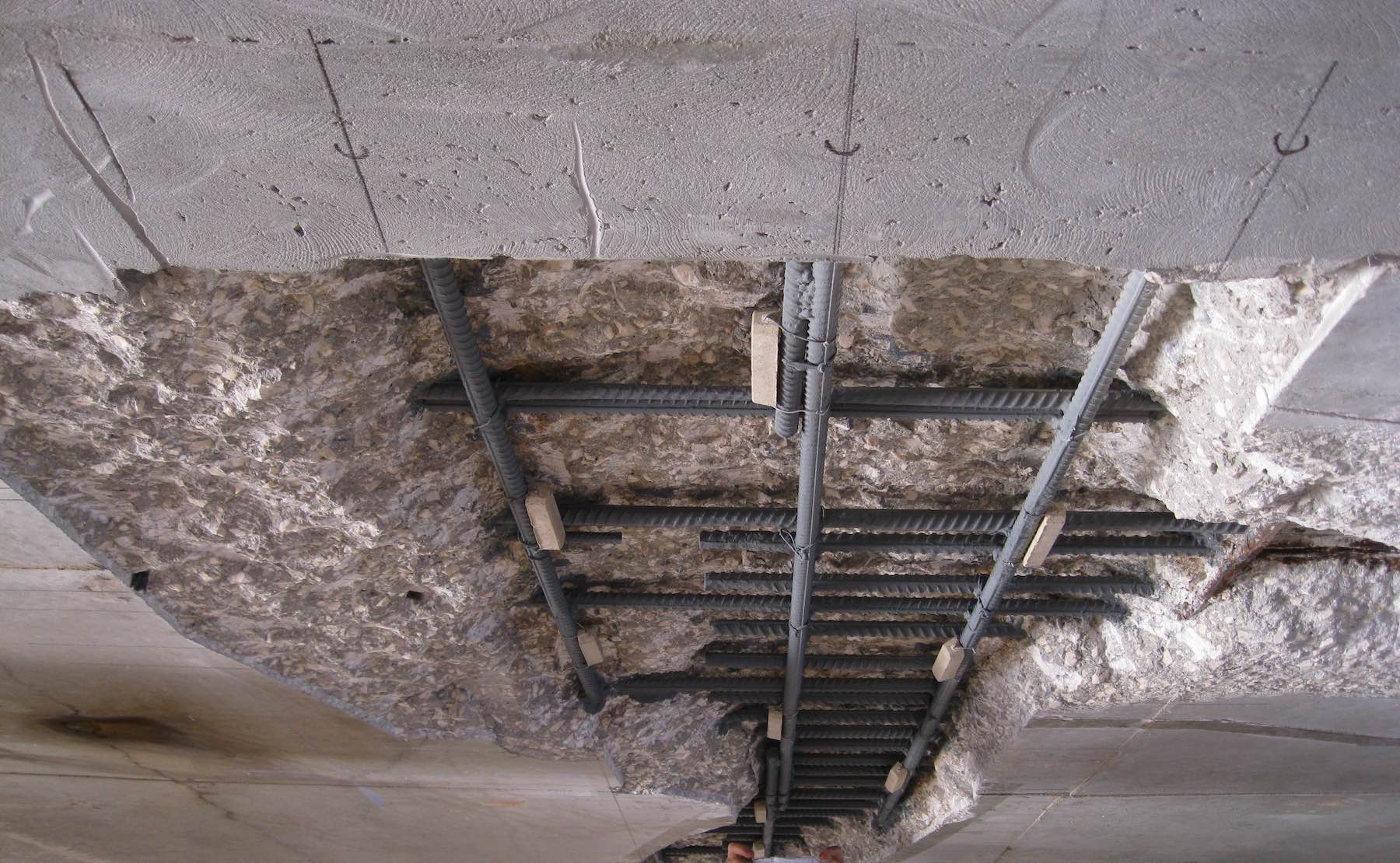
Concrete is one of the most durable and widely used building materials in residential and commercial construction. From driveways and sidewalks to patios, foundations, and floors, concrete surfaces are designed to withstand heavy loads and changing weather conditions. However, durability does not mean indestructibility. Without proper concrete maintenance, even the strongest surfaces can crack, stain, or deteriorate prematurely. Understanding essential Concrete Franklin TN maintenance tips can help extend the life of your surfaces, protect your investment, and maintain the overall appearance and safety of your property.
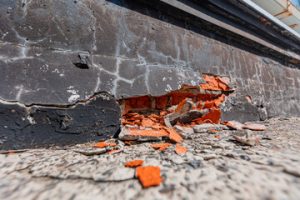
Many property owners assume that once concrete is poured and cured, it requires little attention. In reality, ongoing maintenance plays a crucial role in preserving structural integrity and preventing costly repairs. Small cracks, moisture infiltration, and surface wear can escalate into significant damage if ignored. By implementing proactive care and scheduling routine inspections, you can significantly increase the lifespan of your concrete surfaces while minimizing long-term expenses.
Why Concrete Maintenance Matters
Concrete may seem solid and permanent, but it is still vulnerable to environmental stressors. Temperature fluctuations cause expansion and contraction, which can lead to cracks. Water penetration can weaken the internal structure, especially when freeze-thaw cycles occur. Heavy traffic and chemical exposure can erode the surface layer over time. All of these factors contribute to gradual deterioration.
Proper maintenance helps prevent:
- Surface cracking and spalling
- Moisture damage and erosion
- Staining from oil, grease, or chemicals
- Structural weakening beneath the surface
Taking preventive measures early is far more cost-effective than replacing entire sections of concrete. Routine care not only enhances durability but also improves safety by reducing tripping hazards and maintaining slip resistance.
Start with Proper Cleaning Practices
Regular cleaning is one of the simplest yet most effective concrete maintenance strategies. Dirt, debris, leaves, and standing water can trap moisture and promote surface staining. Over time, accumulated grime may also hide small cracks that need attention.
For routine cleaning, use a broom or leaf blower to remove loose debris. Washing the surface with mild soap and water helps eliminate dirt buildup. For tougher stains such as oil or grease, use a concrete-safe degreaser and scrub gently with a stiff brush. Avoid harsh chemicals that can damage the surface or cause discoloration.
Pressure washing can be effective for restoring the appearance of concrete, but it should be done carefully. Excessive pressure may erode the surface or widen small cracks. Using moderate pressure and maintaining a safe distance from the surface can help prevent unintended damage.
Seal Your Concrete Surfaces
One of the most important steps in concrete maintenance is sealing. Concrete sealers create a protective barrier that repels moisture, resists stains, and minimizes wear. Sealing is especially critical for outdoor surfaces exposed to rain, snow, and UV rays.
There are different types of sealers available, including penetrating sealers and topical sealers. Penetrating sealers soak into the concrete and protect from within, making them ideal for driveways and sidewalks. Topical sealers form a protective layer on the surface, enhancing appearance while offering added protection.
Generally, concrete should be resealed every few years, depending on traffic levels and weather exposure. Surfaces with heavy use may require more frequent sealing to maintain optimal protection.
Address Cracks Early
Cracks are common in concrete, but they should never be ignored. Even hairline cracks can allow water to seep into the material, leading to internal damage and expansion during temperature changes. Over time, small cracks can widen and compromise the structural integrity of the surface.
When inspecting your concrete, look for:
- Hairline fractures
- Widening cracks
- Uneven edges
- Signs of moisture around cracks
Repairing cracks promptly with a suitable concrete patching compound helps prevent further deterioration. For larger or structural cracks, professional assessment may be necessary to determine the underlying cause and implement appropriate repairs.
Protect Against Water Damage
Water is one of the biggest threats to concrete surfaces. Poor drainage, pooling water, and improper grading can accelerate deterioration. Ensuring that water flows away from concrete structures helps minimize damage.
To reduce water-related issues:
- Maintain proper drainage systems around your property.
- Clear gutters and downspouts regularly to prevent overflow.
- Avoid allowing standing water to remain on concrete surfaces.
In colder climates, freeze-thaw cycles can be especially damaging. Water that seeps into cracks expands when frozen, widening the cracks and causing surface spalling. Applying sealers and repairing cracks before winter can significantly reduce this risk.
Avoid Deicing Chemicals
During the winter months, deicing chemicals are often used to improve safety on concrete surfaces. However, many of these products can damage concrete by accelerating surface scaling and weakening the material.
Instead of harsh deicers, consider using sand for traction. If deicing chemicals are necessary, choose products specifically designed to be safe for concrete. Minimizing chemical exposure can preserve the surface and extend its lifespan.
Manage Heavy Loads and Traffic
Concrete surfaces are built to handle weight, but excessive loads can lead to cracking and sinking. Driveways and parking areas should be designed to accommodate the types of vehicles they support. Placing extremely heavy equipment or vehicles on surfaces not intended for such loads can cause structural stress.
Additionally, high-traffic areas may experience faster wear. Rotating parking positions or distributing weight evenly can reduce localized stress. Installing protective mats in areas subject to heavy equipment movement can also help prevent surface damage.
Prevent Surface Stains
Concrete is porous, which means it can absorb liquids and become stained. Oil, grease, paint, and chemicals can penetrate the surface and create long-lasting discoloration. Promptly cleaning spills helps prevent deep staining.
If stains occur, specialized cleaning products formulated for concrete can be used. In some cases, professional cleaning or resurfacing may be required to restore the appearance. Applying a high-quality sealer also reduces porosity, making it easier to clean future spills.
Schedule Routine Inspections
Regular inspections are key to effective concrete maintenance. By examining your surfaces periodically, you can identify small issues before they become major problems. Seasonal inspections are particularly helpful, especially after extreme weather events.
During inspections, check for:
- Cracks or separation in the expansion joints
- Surface scaling or flaking
- Drainage issues or pooling water
- Signs of settling or uneven areas
Documenting changes over time can help track deterioration and determine when repairs or resealing are needed.
Maintain Expansion Joints
Expansion joints are designed to accommodate movement caused by temperature changes. If these joints become clogged with debris or deteriorate, pressure can build within the concrete, leading to cracking.
Cleaning expansion joints regularly and replacing worn joint filler helps maintain flexibility and prevent structural stress. Proper joint maintenance plays a critical role in extending the life of large concrete slabs.
Consider Resurfacing When Needed
Even with consistent maintenance, concrete surfaces may eventually show signs of wear. Resurfacing can restore both appearance and functionality without requiring full replacement. This process involves applying a thin overlay that bonds to the existing surface, covering minor imperfections and improving durability.
Resurfacing is often more cost-effective than replacement and can significantly extend the life of aging concrete. However, it is important to address underlying structural issues before applying any overlay to ensure long-lasting results.
Understand the Impact of Environmental Factors
Environmental conditions have a direct impact on concrete longevity. Intense sunlight can cause surface fading and gradual weakening. Heavy rainfall increases moisture exposure. Soil movement beneath slabs can result in settling or shifting.
Being proactive about environmental stressors allows property owners to implement targeted solutions. For example, adding shade structures can reduce direct sun exposure, while improving landscaping and grading can enhance drainage and soil stability.
Invest in Professional Maintenance When Necessary
While many concrete maintenance tasks can be handled independently, some situations require professional expertise. Structural cracks, significant settling, and widespread spalling may indicate deeper issues that need specialized solutions.
Professional maintenance services can provide:
- Detailed inspections and assessments
- Advanced repair techniques
- Proper resurfacing applications
- Long-term maintenance planning
Partnering with experienced professionals ensures that repairs are done correctly and that preventative strategies are implemented effectively.
Long-Term Benefits of Proper Concrete Care
Consistent maintenance offers significant long-term advantages. Well-maintained concrete surfaces can last decades longer than neglected ones. In addition to durability, proper care enhances curb appeal and property value. Clean, crack-free concrete contributes to a polished and professional appearance.
Financially, preventative maintenance reduces the likelihood of expensive repairs or full replacements. Addressing small issues early keeps costs manageable and avoids unexpected disruptions.
Moreover, maintaining safe surfaces helps prevent accidents. Cracks, uneven slabs, and surface deterioration can create tripping hazards. Keeping concrete in optimal condition supports both safety and structural reliability.
Concrete is a strong and dependable building material, but it requires ongoing attention to perform at its best. By implementing essential concrete maintenance tips—such as regular cleaning, sealing, crack repair, and proper drainage—you can significantly extend the life of your surfaces.
Proactive care protects against environmental damage, heavy wear, and moisture infiltration. Scheduling routine inspections and addressing minor issues promptly ensures that small problems do not evolve into major structural concerns. Whether maintaining a driveway, patio, walkway, or foundation, consistent maintenance is the key to long-lasting performance.
Investing time and effort into proper concrete maintenance today will help preserve the strength, appearance, and functionality of your surfaces for years to come.